

Food manufacturers today face increasing pressure to manage microbial risks in more complex product matrices, under tighter regulatory expectations, and with rising scrutiny from public health agencies. Recent global data shows how persistent and costly these risks remain. In the United States, foodborne illnesses rose by 25% in 2024, with hospitalizations more than doubling (230 to 487) and deaths increasing from 8 to 19, according to the PIRG Food for Thought 2025 report. Pathogen related recalls remained a major issue, with Listeria, Salmonella, and E. coli accounting for 39% of food recalls in 2024. Globally, the World Health Organization estimates that one in ten people fall ill each year due to unsafe food, resulting in 33 million healthy life years lost annually.
These figures underscore why microbial control remains a central challenge for food industry R&D teams, despite advances in processing and packaging technologies. Antimicrobial solutions play a critical role in managing this risk. In the food industry, antimicrobial solutions refer to food grade ingredients added directly to formulations, such as organic acids, lactates, acetates, fermentation derived compounds, or bacteriocins, to inhibit or slow the growth of spoilage organisms and pathogens. Their importance relates to three core responsibilities:
- protecting food products across their intended shelf life,
- ensuring compliance with food safety regulations, and
- supporting consumer protection and brand integrity in a landscape of rising recalls and heightened public concern.
Manufacturers of bio based antimicrobials, such as Galactic, use natural fermentation processes, typically involving sugar and non GMO microorganisms, to produce solutions such as lactates, acetates, vinegars, and other natural metabolites that support food safety across multiple categories.
A. Food‑grade antimicrobial solutions commonly used in industry
1. Organic acids and salts
Organic acids such as lactic and acetic acid, and their corresponding salts (lactates, acetates, diacetates), are among the most widely used antimicrobial solutions in food processing. These compounds work by reducing pH, disrupting bacterial membrane integrity, and interfering with metabolic functions. Organic acids reduce water activity, acidify bacterial cells, and force microorganisms to expend energy to expel acid molecules, limiting their ability to grow. These organic acids can be either produced through the natural process of sugar fermentation, or can be chemically synthetized from petrol-derived building blocks.
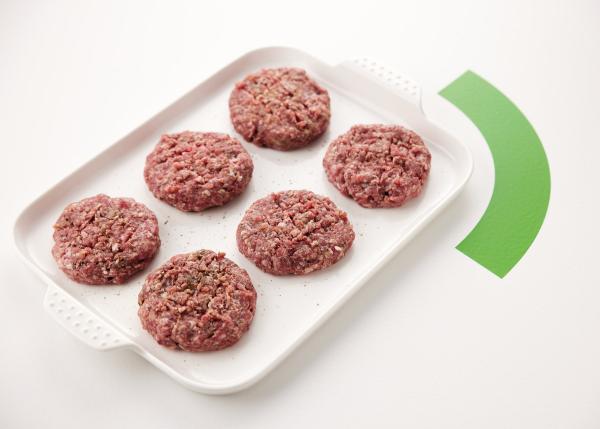
In industry practice, these compounds are applied across meat, poultry, seafood, ready to eat meals, and plant based products. Producers such as Galactic offer a range of sodium and potassium lactates, and lactate–acetate blends, used for pathogen control and shelf life extension in cooked and fresh meat products.
2. Fermentation derived antimicrobials
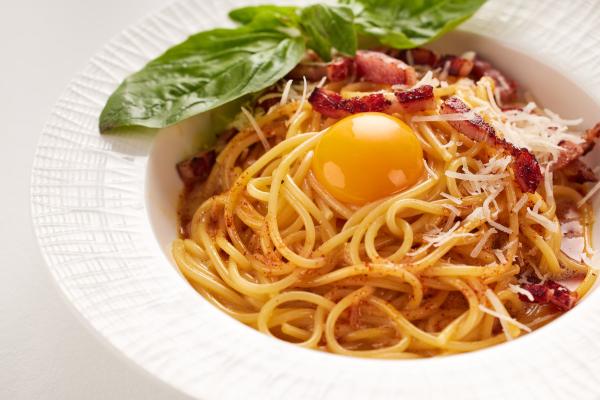
Natural antimicrobials produced by fermentation, such as vinegars, fermented flours, fermented sugars, or herb extracts, support clean label expectations while providing microbial protection. Galactic’s fermentation expertise enables the production of vinegars, basil extracts, fermented sugar, and fermented flour with preservative effects in categories such as bakery, meat alternatives, dips, sauces, and ready meals.
These solutions offer functional benefits such as mild acidity, natural flavor contribution, and inhibitory activity against spoilage microorganisms, making them compatible with “natural” or “recognizable ingredient” requirements in many markets.
3. Bacteriocins
Bacteriocins such as nisin and natamycin are widely used to inhibit Gram positive bacteria, molds, and yeasts. They play a targeted role in products like dairy, processed meats, and plant based alternatives. These compounds are derived through fermentation and provide highly specific antimicrobial action.
B. Preventing microbial growth: mechanisms and hurdle strategies
Effective microbial control in food products depends not on a single intervention but on a hurdle approach, where multiple factors combine to inhibit or delay pathogen growth. Industry practice integrates:
- pH adjustment,
- lowered water activity,
- antimicrobial ingredients,
- chilled storage,
- packaging conditions (e.g., MAP), and
- thermal treatments.
So, hurdle technology is a combination of pH value, water activity, preservatives, heat treatment, hygiene, packaging, and temperature control used together to extend shelf life and protect safety across products.
This approach ensures that if one barrier weakens (e.g., due to process variability), the others continue to maintain safety margins.
C. Safety and regulatory considerations
R&D teams must ensure that antimicrobial systems not only perform microbiologically but also meet global regulatory standards. Recent worldwide foodborne events have led to increased scrutiny of Listeria, Salmonella, and E. coli controls across chilled and ready to eat categories, as evidenced by the fact that 98% of reported foodborne illnesses in 2024 stemmed from 13 major outbreaks, nearly all linked to these pathogens.
Regulatory frameworks governing antimicrobial ingredients, such as GRAS determinations in the US or EFSA additive approvals in the EU, evaluating toxicity, exposure, and environmental impact. Many organic acids, lactates, acetates, vinegars, and bacteriocins already hold established regulatory status, but their allowable use levels and labeling requirements vary by region, requiring careful formulation work.
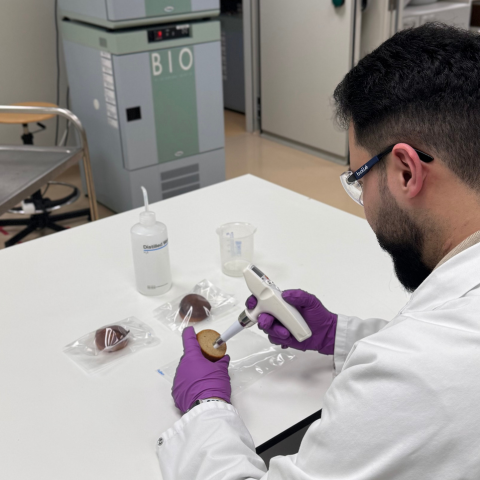
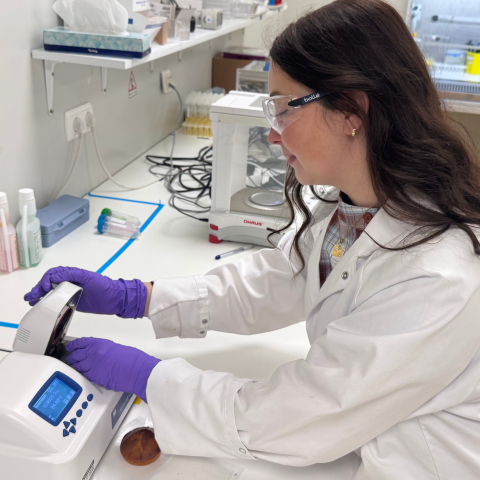
Safety testing includes challenge studies, shelf-life validation, sensory evaluation, and monitoring of pH and water activity.
D. Selecting appropriate antimicrobial solutions: R&D challenges
Choosing the right antimicrobial system requires assessment of:
- food matrix (composition, pH, aw),
- target microorganisms,
- processing conditions,
- sensory constraints, and
- regulatory requirements.
Technical guidance from industry producers such as Galactic emphasizes that correct selection depends on the origin of the meat or plant matrix, cooking method, packaging style, bacterial load at production, and targeted shelf-life. Sodium reduced products, for example, may benefit from potassium based lactate–acetate systems that maintain efficacy with minimal sensory impact.
Antimicrobial solutions play a central role in protecting modern food products across diverse categories. By slowing or inhibiting the growth of pathogens and spoilage organisms, these ingredients support regulatory compliance, safeguard consumers, and help maintain product quality throughout distribution.
The industry relies on a range of food grade technologies, from organic acids and lactate–acetate blends to fermentation derived compounds and bacteriocins, each selected according to matrix, sensory constraints, and microbial risk profiles. When integrated into a broader hurdle strategy, these solutions enable R&D teams to design safer and more stable foods in an environment where global foodborne illness remains a persistent challenge.

Still have questions?
Can’t find the answer you’re looking for?
Contact us for expert advice and support!