

What is antimicrobial food preservation?
Antimicrobial food preservation encompasses scientifically validated strategies that inhibit or inactivate spoilage and pathogenic microorganisms to extend shelf life and ensure safety without compromising product quality. Officially, antimicrobials are substances or processes that suppress the growth of bacteria, yeasts, molds, and viruses in food matrices under defined conditions of use. Their role in food safety is to reduce microbial risks to acceptable levels, complementing hygienic design, GMPs, and HACCP.
Within the processing chain, antimicrobial preservation begins with ingredient selection and formulation, continues through process steps such as heat or high pressure, and remains active during distribution and consumer handling.
It is important to distinguish:
- Preservation: sustained control that maintains safety and quality over time.
- Protection: targeted mitigation against specific hazards or contamination events.
- Processing control: in-process lethality or stabilization, for example pasteurization or pH adjustment, that establishes initial safety which preservation then maintains.
Why is antimicrobial preservation essential in food systems?
- Control of microbial risks: It addresses both spoilage organisms and pathogens such as Listeria monocytogenes, Salmonella, and toxin-producing molds, helping maintain microbiological criteria across shelf life.
- Food safety assurance: It adds hurdles that protect products when cold chain, pH, aw, or packaging are stressed by real-world conditions, thus supporting HACCP critical limits.
- Product stability: It preserves sensory attributes, prevents gas formation, discoloration, slime, off flavors, and texture defects driven by microbial metabolism.
Industrial and regulatory requirements: It supports compliance with shelf-life validation, challenge testing, and due diligence expectations from auditors and authorities.
Main antimicrobial food preservation methods
Overview of preservation approaches:
- Chemical approaches: This means using approved antimicrobial preservatives and ingredients that help create barriers, such as organic acids and their salts, fermentation products, nitrites in certain categories, and buffer systems that enhance the effectiveness of acids. Their function depends, for example, on pH or water activity (aw) etc.
- Biological approaches: This involves exploiting microbial competition and natural antimicrobials. Among the examples, we can cite protective cultures, bacteriocins such as nisin in authorized foods, and metabolites from controlled fermentation that generate inhibitory environments.
- Technological approaches: The third approach involves interventions at the process and packaging levels, including heat treatments, high-pressure treatment, modified or controlled atmospheres, and oxygen scavengers. These often set a low initial contamination threshold and work in synergy with formulation barriers.
- Interaction between methods: The hurdle technology principle combines moderate levels of multiple controls, pH, aw, temperature, antimicrobials, and packaging, to achieve robust, sensory friendly preservation with lower reliance on any single tool.
Antimicrobial preservatives in food: role and scope
As we already mentioned, antimicrobial preservatives are functional ingredients whose primary technological purpose is to inhibit or slow microbial growth within a finished food product. What distinguishes them is not only their antimicrobial activity, but the predictability and repeatability of their performance under validated conditions of pH, aw, composition, and storage. They act as a continuous hurdle throughout shelf life.
From an R&D standpoint, antimicrobial preservatives are defined by three core attributes:
A specific antimicrobial mode of action
Depending on the molecule, preservative activity may involve membrane disruption, acidification of the cytoplasm, interference with metabolic pathways, or inhibition of enzymatic systems. Their efficacy is strongly modulated by formulation parameters such as buffering capacity, ionic strength, fat content, and microstructure.
A measurable technological function distinct from general formulation effects
Unlike ingredients that indirectly influence microbial behavior (e.g., lowering aw through sugars or salts), preservatives must demonstrate direct inhibition against relevant spoilage and pathogenic targets. This is why they are treated separately in regulatory frameworks.
A validated contribution to safety and shelf life
Their use requires data demonstrating performance over the full intended shelf life through challenge tests or predictive microbiology.
Safety, compliance and regulatory considerations
- Controlled use: Antimicrobials must be aligned with good manufacturing practice and compatible with sensory and nutritional objectives.
- International standards: Compliance typically references jurisdictional positive lists, specifications, and conditions of use, alongside Codex and recognized scientific opinions where applicable.
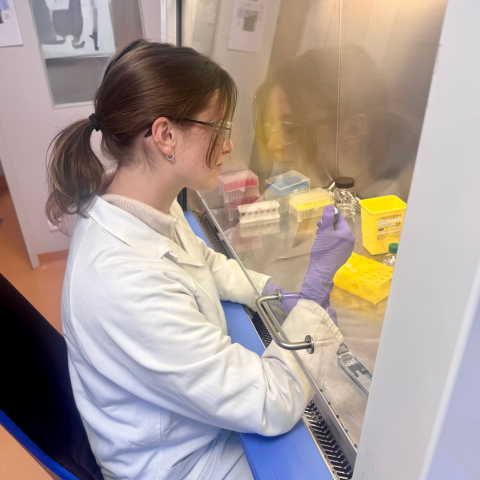
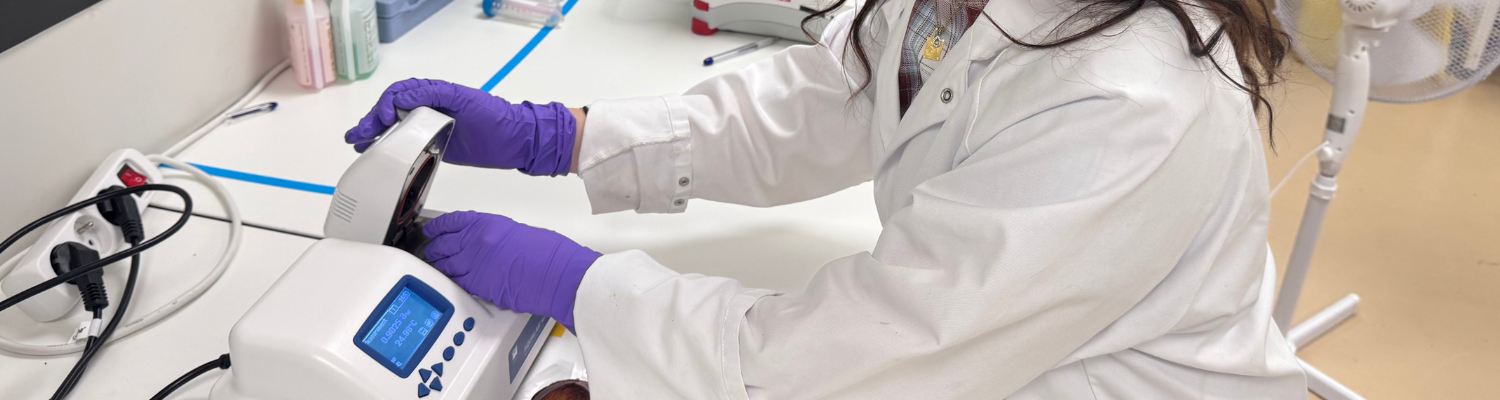
- Industry responsibility: Manufacturers validate with laboratory studies, challenge tests, and shelf-life protocols, and they maintain documentation for audits.
- Consumer safety: Risk assessment covers toxicology, exposure, vulnerable populations, and potential for resistance, with periodic review as formulations, processes, or consumer use conditions evolve.
In practice, antimicrobial preservatives support manufacturers by stabilizing variability that naturally occurs in distribution chains, raw materials, and processing environments. They reduce the probability that small deviations, slightly higher pH, minor temperature abuse, or naturally variable contamination, translate into safety or spoilage failures.
Galactic’s expertise in antimicrobial food preservation
Galactic is a long-standing expert in antimicrobial food preservation, helping food manufacturers design preservation strategies that are scientifically grounded, regulatory compliant, and integrated into industrial processes. We work across sectors with an R&D mindset, understand the operational realities of scale up and line variability, and focus on durable, system level solutions rather than single point fixes. Our approach emphasizes rigorous experimentation, application support, and continuous improvement to keep preservation aligned with evolving products and market requirements.
Antimicrobials are a foundational pillar of modern food preservation
To conclude, antimicrobial food preservation is central to delivering safe, stable, high-quality products on an industrial scale. For R&D and Quality teams, it provides a strategic level to balance safety, shelf-life, formulation goals, and consumer expectations. It also sets the stage for complementary levers such as process optimization, package engineering, and predictive microbiology that together create resilient, future ready food systems.

Still have questions?
Can’t find the answer you’re looking for?
Contact us for expert advice and support!