

Ensuring microbial stability remains a core challenge for food manufacturers worldwide as pathogens continue to drive recalls and multistate outbreaks. In the United States, the USDA’s Food Safety and Inspection Service (FSIS) investigated seven multistate foodborne outbreaks in fiscal year 2025, involving Salmonella, E. coli, and Listeria monocytogenes, resulting in approximately 250 illnesses and 140 hospitalizations. Globally, foodborne diseases continue to represent a public health burden; for example, over 30 multistate outbreaks were investigated across the U.S. in 2025, highlighting the persistent vulnerability of supply chains to microbial contamination and temperature deviations.
These pressures reinforce the importance of effective preservation solutions. Among natural options, bacteriocins have gained prominence due to their specificity, safety profile, and suitability for modern bio preservation strategies.
What are bacteriocins?
Bacteriocins are synthesized antimicrobial peptides produced by bacteria, especially lactic acid bacteria (LAB). They exhibit narrow or broad spectrum activity against spoilage organisms and foodborne pathogens and are valued for their natural origin and compatibility with clean label expectations.
It’s important to notice that while some bacteriocins (e.g., nisin) may be described as having “antibiotic activity” in regulatory documents, they are fundamentally distinct from therapeutic antibiotics used in medicine. Their action is localized, peptide based, and designed for food environments (rather than clinical use).
Today we use different bacteriocins in the food industry for food preservation, nisin or natamycin are two very common bacteriocin used for the meat or the dairy industries for example.
Why are bacteriocins used in food preservation?
Food manufacturers rely on bacteriocins because they help control spoilage organisms and inhibit pathogens such as Listeria monocytogenes and E. coli in a targeted manner. Their natural origin aligns with the industry’s shift toward minimally processed and bio preserved foods. Recent reviews confirm their ability to extend shelf life and enhance safety without compromising sensory quality.
As consumer and regulatory expectations evolve, bacteriocins offer a bio‑based alternative to synthetic preservatives and contribute to multi‑hurdle strategies such as fermentation, pH reduction, packaging innovations, and mild heat treatments.
How do bacteriocins function in food systems?
Antimicrobial mechanisms of bacteriocins
Bacteriocins act primarily by disrupting the bacterial cell membrane, causing pore formation, leakage of intracellular contents, or inhibition of essential enzymes. Studies highlight transmembrane potential disruption and pH dependent effects as common mechanisms, contributing to both bacteriostatic and bactericidal outcomes depending on the target organism and concentration.
Interaction with food matrices
Their efficacy can vary depending on protein content, fat levels, water activity, and processing conditions. This variability explains why bacteriocins are often integrated with other preservation hurdles to maximize antimicrobial impact.
Applications of bacteriocins in food preservation
Bacteriocins are applied in:
- Dairy foods, where LAB derived bacteriocins enhance safety and extend shelf life by inhibiting spoilage bacteria and Listeria in cheeses and fermented products.
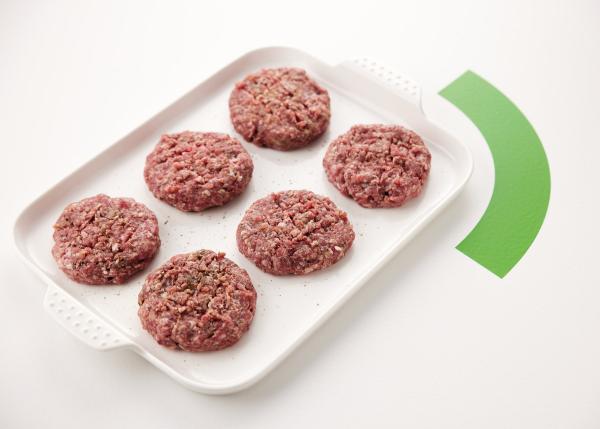
- Meat and ready to eat products, where bacteriocins help control pathogenic bacteria and support reduced synthetic additive use.
- Active packaging and surface treatments, where immobilized bacteriocins provide sustained antimicrobial activity and reduce contamination risks during storage and distribution.
Their versatility allows them to be used as purified preparations, incorporated into fermentates, or through bacteriocin producing cultures.
Safety and regulatory considerations across regions
United States
The FDA has affirmed nisin preparation as Generally Recognized as Safe (GRAS), authorizing its use as an antimicrobial agent in specific cheese categories. Other bacteriocins such as pediocin or lacticin are not approved as food additives in the U.S.
European Union
In the EU, nisin is authorized as additive E234 for specific food applications under EU additive regulations. Its use is regulated through EFSA safety evaluations, ensuring controlled, category specific applications.
Latin America
Regulatory adoption varies widely. Some LATAM countries follow Codex Alimentarius–aligned standards, recognizing nisin in select food categories, while others apply local additive lists with narrower authorizations. Scientific reviews confirm regional interest, but approvals differ by country.
Asia
Asian regulations are heterogeneous:
- In China, bacteriocins such as nisin have long been permitted in certain foods.
- Other Asian markets (e.g., Japan, South Korea) assess bacteriocins within national additive frameworks, often referencing Codex or EU safety evaluations.
Overall, Asia shows rapid innovation alongside fragmented regulatory adoption.
Across all regions, bacteriocins remain classified as food additives, distinct from antibiotics, and their use is subject to concentration limits, safety assessments, and category specific approvals.
Bacteriocins within modern food preservation strategies
Modern food preservation increasingly relies on multi hurdle approaches integrating natural antimicrobials, processing technologies, and packaging innovations. Recent studies highlight the potential of bacteriocins in nanotechnology enhanced systems, such as encapsulation to improve stability and broaden antimicrobial activity.
By functioning synergistically with pH control, salt reduction, fermentation, or high pressure processing, bacteriocins help manufacturers meet safety objectives while supporting cleaner formulations.
Bacteriocins as natural tools for food protection
To summarize, yes, bacteriocins play a significant role in modern food preservation by inhibiting key pathogens, supporting shelf-life extension, and enabling natural bio preservation strategies. Their mechanisms, safety profile, and regulatory recognition across global markets make them reliable components of antimicrobial programs.
For R&D experts, bacteriocins offer a scientifically robust tool to enhance food safety while adapting to evolving consumer expectations and regulatory landscapes.
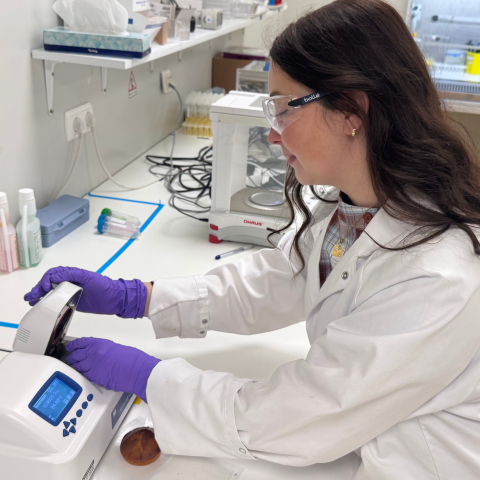
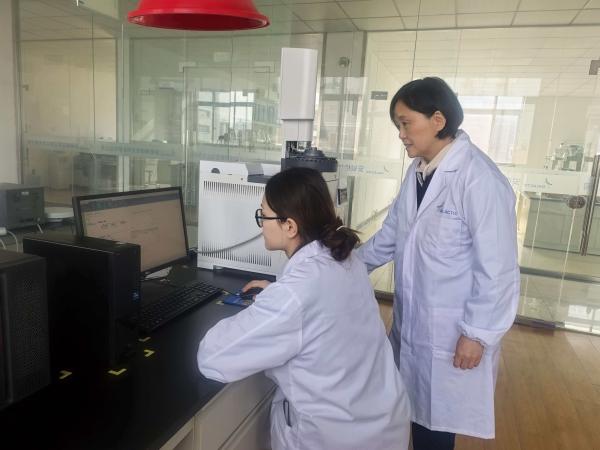
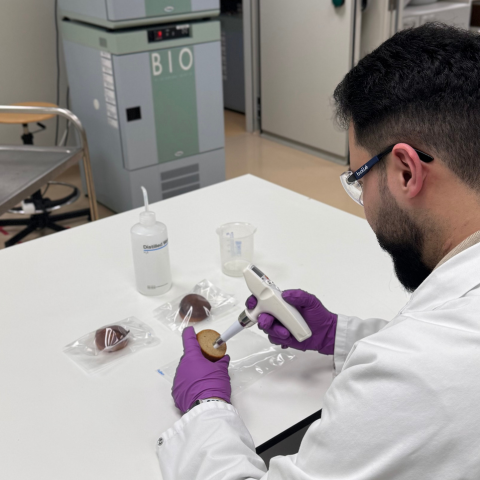
With microbiology laboratories in Belgium, the United States, and China, Galactic offers global expertise in understanding microbial behavior across diverse food matrices and environmental conditions. This geographic scientific presence enables nuanced evaluation of regional food safety challenges and supports manufacturers seeking to optimize antimicrobial strategies through evidence based approaches.

Still have questions?
Can’t find the answer you’re looking for?
Contact us for expert advice and support!