Latest articles
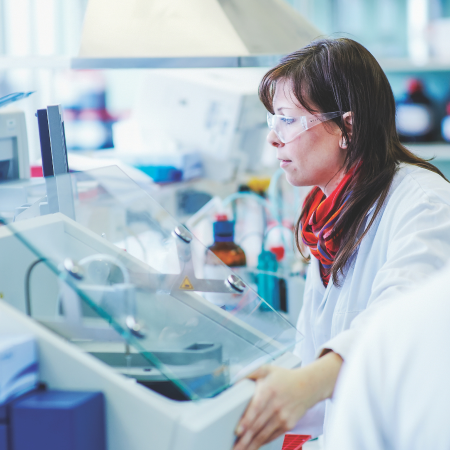
What defines an antimicrobial efficacy test?
An antimicrobial that performs well in a petri dish doesn't guarantee it will work in a finished product. We walk through how R&D teams evaluate antimicrobial performance step by step, from in vitro screening and MIC testing to challenge tests in real food matrices and full shelf-life validation, and why context, not a single test result, ultimately determines whether an antimicrobial strategy holds up under real conditions.
Read more

Antimicrobial protection for food products : approaches, challenges and safety
Microbial contamination poses a major challenge for food manufacturers. The WHO reports that foodborne illnesses affect millions of people each year, leading to economic losses and public health issues. Antimicrobial protection helps mitigate these risks by controlling harmful microorganisms. Explore antimicrobial protection strategies to extend shelf-life and comply with standards.
Read more
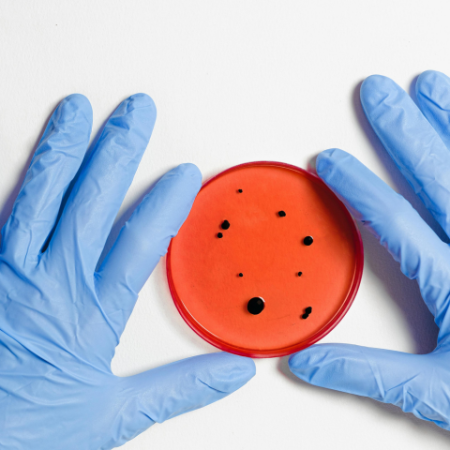
What Are Antimicrobial Food Additives? Definition, Role and Regulatory Overview
Antimicrobial food additives are essential for extending shelf life and preventing foodborne illness, but understanding what they are, how they work, and how they're regulated is often the missing first step. This article breaks down the definition, mechanisms, and safety framework behind antimicrobial food additives, and shows where they fit among the other tools manufacturers use to keep food safe.
Read more
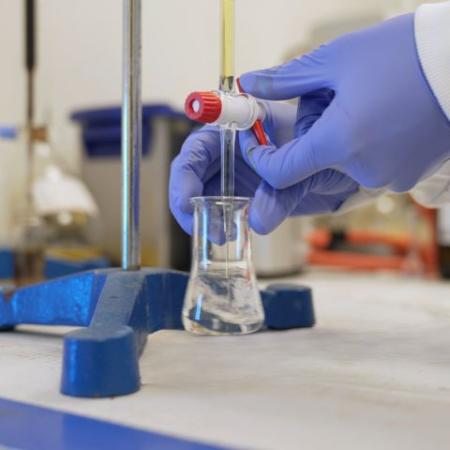
What does antimicrobial formulation optimization really mean for food R&D teams?
An antimicrobial that performs well in the lab doesn't always deliver the same results once it's in a real food product. Between protein and fat interactions, pH, and ionic strength, antimicrobial efficacy is ultimately a formulation-level challenge, not just an ingredient choice. We unpack the interaction effects, the methodologies (challenge testing, design of experiments) R&D teams rely on, and the formulation constraints that shape robust, reproducible antimicrobial performance.
Read more
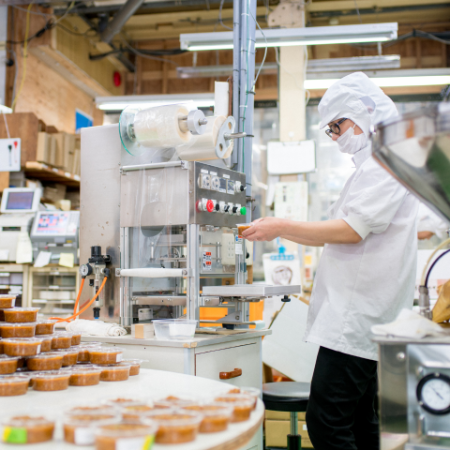
Antimicrobial agents for food processing: definition, types and uses
There's no single antimicrobial agent that solves every microbial challenge in food processing. From organic acids and bacteriocins to fermentates and plant-derived compounds, each type works through a distinct mechanism, targets a different microbial spectrum, and comes with its own matrix sensitivities and regulatory constraints. We break down the main categories, how they function, and why effectiveness always comes down to context.
Read more
What does microbial control mean in food processing?
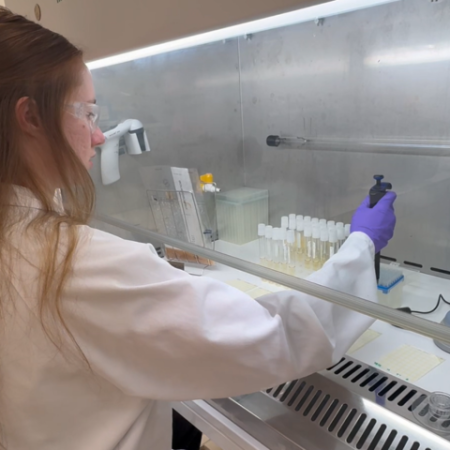
Microbial control isn't about eliminating every microorganism, it's about managing risk systematically, from raw materials to distribution. We explore how physical, chemical, and biological methods work together under the hurdle concept, why HACCP remains foundational to food safety, and what R&D teams need to consider when designing microbial control strategies that protect both safety and shelf-life.
Read more
What are food-grade antimicrobials and how should R&D teams evaluate them?
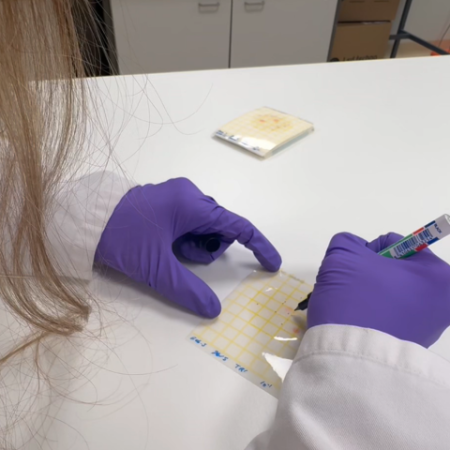
Not every antimicrobial is fit for food. Behind the "food-grade" label lies a rigorous set of safety, purity, and functional criteria that R&D teams must navigate, from GRAS and EFSA approvals to matrix compatibility and spoilage risk. We break down what food-grade really means, the key compound categories manufacturers rely on, and how to choose the right antimicrobial strategy for your product.
Read more

How are natural antimicrobial compounds applied in food, and why do they matter for modern food systems?
Why do some natural preservatives change how a product tastes — and others don't? The answer lies in food matrix interactions, processing conditions, and concentration levels most consumers never think about. Here's what food R&D teams need to know before choosing a natural antimicrobial solution.
Read more

Antimicrobials in food: how do they work and why do they matter?
In all food product pathogen and spoilage organisms compete for the same substrate the manufacturer is trying to deliver safely to a consumer who has specific quality standards. Antimicrobials in food are the principal tools used to modify, slow, or define that competition. Understanding how they work, why they are used, and what distinguishes one class from another is foundational knowledge for any food developer.
Read more
Antimicrobial solutions: definition, applications and safety considerations
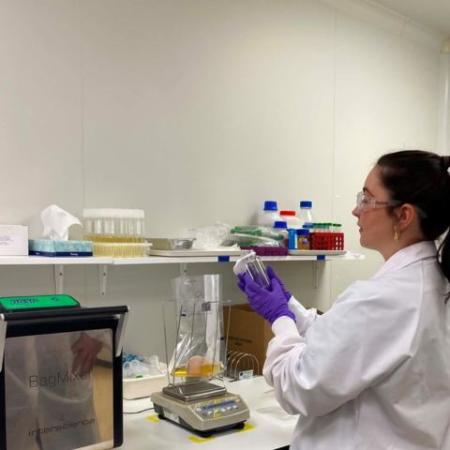
For food manufacturers, controlling microbial growth is a permanent, structural challenge rather than an isolated task. Pathogenic and spoilage microorganisms can threaten consumer safety, shorten shelf life, damage brand reputation and generate significant economic losses through recalls and waste. In this context, antimicrobial solutions are one of the key levers available to R&D and quality teams.
Read more
Page 1 of 6