Latest articles
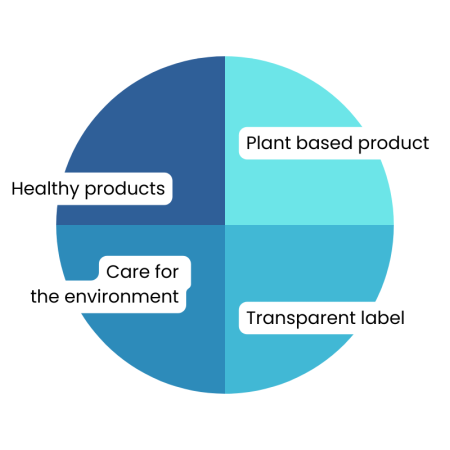
Global food industry trends in 2022
Aligning with top 2022 food trends, Galactic offers natural, waste-free ingredients for high-quality food preservation.
Read more
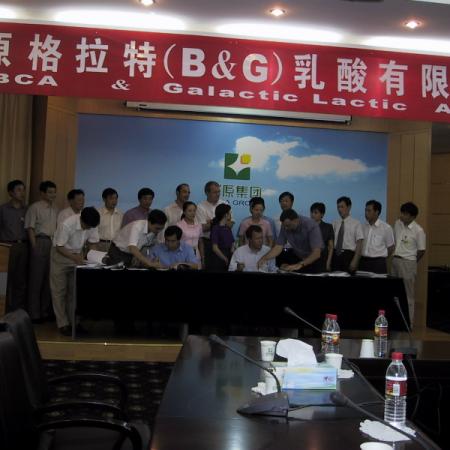
20 years of successful projects developed with Galactic China
Celebrating 20 years of innovation and growth: Galactic honors its enduring collaboration with BBCA Biochemical and its expansion from Belgium to one of the world's largest lactic acid plants in China.
Read more
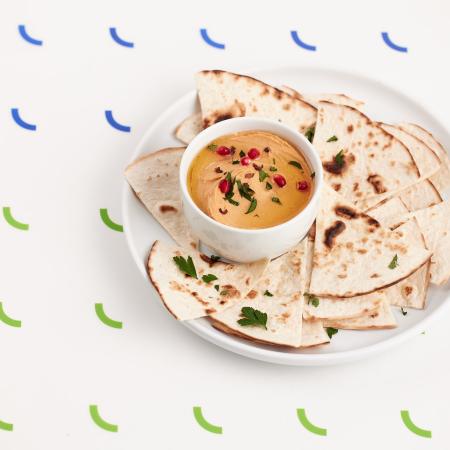
Discover Galactic's Galimax Flavor V-50, the natural vinegar that revolutionizes hummus preservation
Enhance your dips with a clean label ingredient that maintains creaminess and freshness without chemical preservatives.
Read more
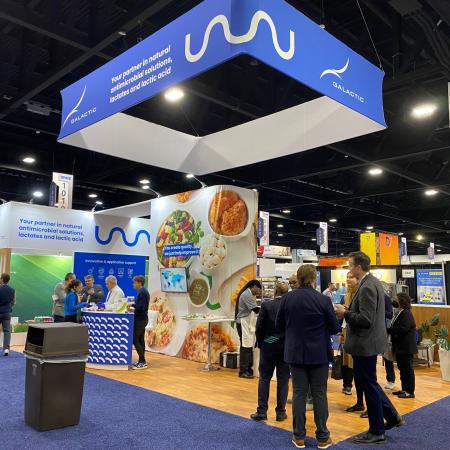
Customer delight in action. Highlights of IPPE 2022
Discover how Galactic maintains brand awareness and connects with customers.
Read more
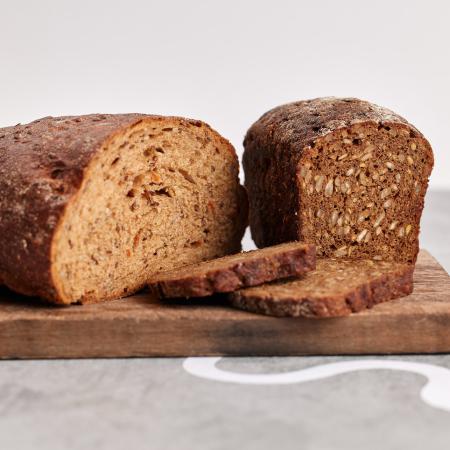
Scrumptious all-natural bread, by Galactic
Galactic's natural vinegar: a sustainable solution for bread, offering great flavor, extended shelf-life, and reduced food waste.
Read more

Discover Galactic’s natural flavors, all made by fermentation
Galactic's Galimax Flavor VK-50: an all-natural, potassium-based solution for convenient, healthy potato purees. Innovate sustainably with ease.
Read more
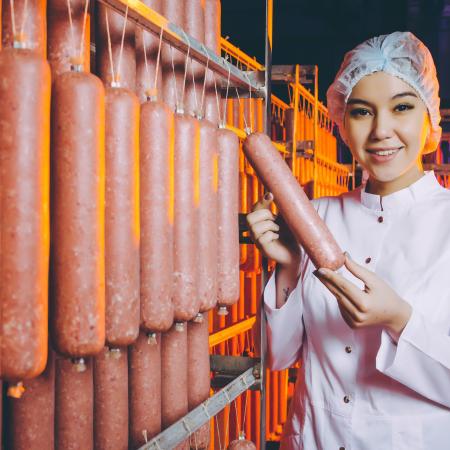
Natural ingredient solutions coming directly from nature
Empower your low-sodium recipes with Galactic's natural, potassium-based vinegar. Innovate for healthier, flavorful foods with ease.
Read more
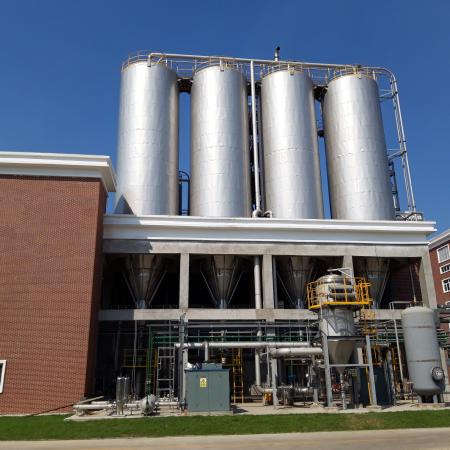
Galactic group PLA production unit was launched in China
Explore Futerro's pioneering PLA production unit in China, a collaboration between GALACTIC and BBCA Biochemical. With state-of-the-art technology and a capacity of 30,000 tons/year, this bioplastic initiative is set to revolutionize the industry.
Read more
Page 7 of 7