Latest articles
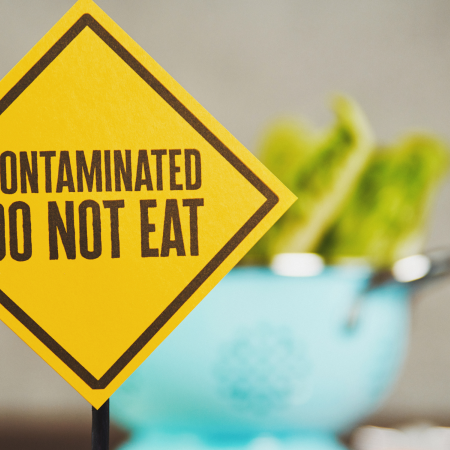
Understanding high risk foods
High risk foods are those that are more likely to harbor harmful bacteria and cause foodborne illness. These include meat, poultry, seafood, egg products, and certain dairy items like cheeses and milk. As a leader in natural antimicrobial solutions, Galactic is committed to helping you navigate these challenges with innovative and sustainable methods.
Read more
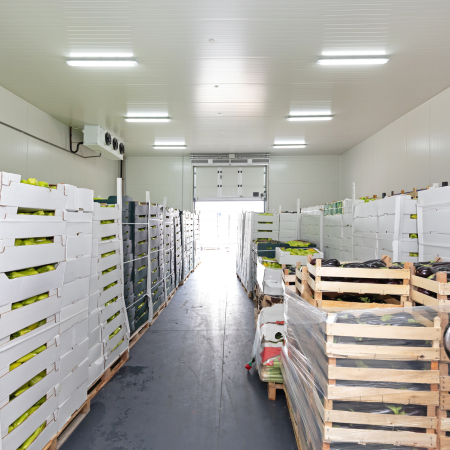
Mastering food storage temperature
Ensuring the safest food storage temperature is crucial for maintaining the quality and safety of perishable items. Storing food at the correct temperature helps prevent the growth of bacteria, reducing the danger of foodborne illnesses. As a food manufacturer, it's essential to understand the optimal storage temperatures for different types of food, from raw meat to fresh vegetables.
Read more
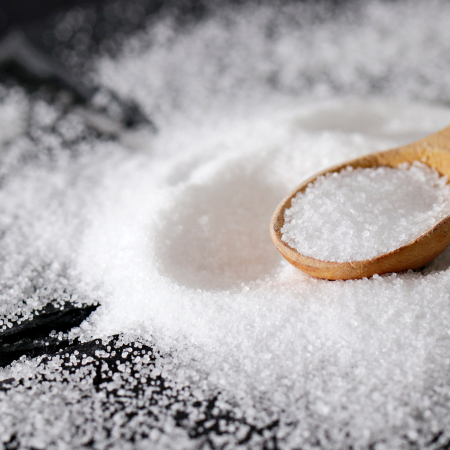
Sugar as a Preservative in Food: Benefits, Challenges, and Alternatives
Sugar has long been used in food preservation, playing a crucial role in maintaining the quality and safety of various products. While sugar itself is not classified as a preservative, it has preservative effects that contribute to the longevity of foods.
Read more

Understanding food shelf-life
Food shelf-life is a critical aspect of food production and consumption. It refers to the period during which food retains its quality, safety, and nutritional value. For food manufacturers, understanding and managing shelf-life is essential for ensuring product safety, maintaining quality, and minimizing waste.
Read more

Mastering Dehydration: Preserving Nutrients and Flavor in Food
Dehydrating food is one of the oldest and most effective methods of food preservation, with a rich history dating back thousands of years. From ancient civilizations to modern-day kitchens, this technique has been used to extend the shelf-life of various foods, including fruits, vegetables, and meats.
Read more

Heat processing in the food industry: ensuring safety and quality
Food spoilage is a significant challenge for companies in the food industry, leading to substantial waste and environmental impact. Globally, approximately one-third of all produced food is lost or wasted across the supply chain, contributing to greenhouse gas emissions and the depletion of valuable resources like water and land. For businesses, this translates to financial losses and inefficiencies in the supply chain. Effective food preservation methods, such as heat processing, are essential for mitigating these issues and ensuring that food products remain safe and high-quality throughout their shelf-life.
Read more

Understanding Food Spoilage: A comprehensive guide for food manufacturers
Food spoilage is a major concern for food manufacturers and consumers alike. It is the process by which food products deteriorate in terms of quality, safety and taste, because of various factors.
Read more
Food Irradiation: Understanding the process and its implications
Food irradiation involves exposing food to ionizing radiation, which may come from radioactive sources, electron beams or X-rays. This treatment is effective in reducing bacteria, insects and other pathogens that can cause foodborne illness, but it raises many concerns among consumers. With good reason?
Read more

Calcium Lactate as a thickener: Elevating texture in the food Industry
The role of thickening agents is a cornerstone in the development of products with desirable textural properties. In this context, calcium lactate emerges as a versatile and efficient key component in thickening systems, meeting the contemporary demands for health-conscious and sustainable food options.
Read more

Innovative solutions for food preservation, naturally by Galactic
Discover Galactic's natural antimicrobial solutions for sustainable food preservation to combat waste, improve safety, and enhance flavor and quality.
Read more
Page 4 of 7