Latest articles
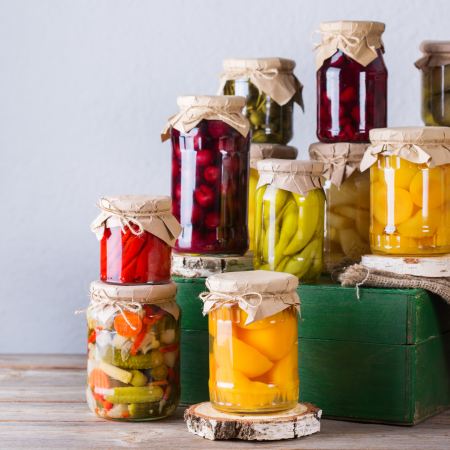
Fermentation in food processing: How lactic acid fermentation shaped early civilizations and drives modern innovation
Discover the significant connection between the ancient technique of fermentation in food processing and its vital role in shaping and enabling the flourishing of early civilizations.
Read more
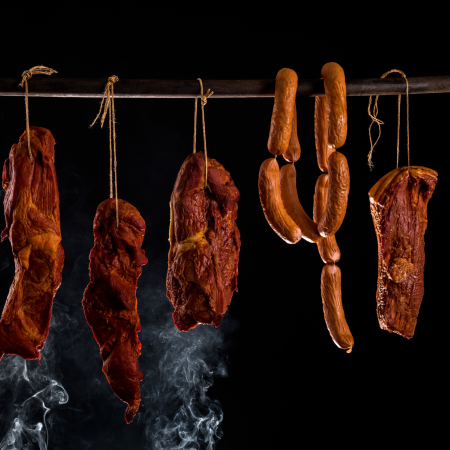
Smoking food for preservation
Smoking food for preservation is a traditional method that has been used for centuries to extend the shelf-life of various foods, including meat, fish, and cheese. This process not only preserves food but also enhances its flavor, making it a popular choice among food manufacturers.
Read more

Natural Food Preservatives: A Clean-Label approach to longer shelf-life
In today's food industry, the demand for cleaner labels and natural products continues to grow, as consumers look for alternatives to synthetic additives. While the term “natural” continues to be one of the main drivers of consumer preferences when it comes to food products, it remains somewhat ambiguous. Preserving food without relying on artificial chemicals has therefore become a priority, prompting industries to explore solutions derived from nature that are both effective and safe.
Read more

The impact of food waste on the environment and economy
Food waste is a pressing issue that affects our environment, economy, and society. In the United States alone, it is estimated that nearly 60 million tons of food are discarded annually, equating to approximately 40 percent of the entire food supply. This staggering amount of waste has far-reaching implications, contributing significantly to greenhouse gas emissions and the depletion of valuable resources.
Read more

Additives, preservatives, artificial, natural: where is the connection and where are the differences?
Preservatives these days are under high pressure, as common ingredients as they might be in our food. When asking consumers which ingredients they are actively trying to limit, "artificial preservatives" rises high on the list of answers with 26% of consumers marking them, according to a recent Innova study, giving it the same score as "artificial additives".
Read more
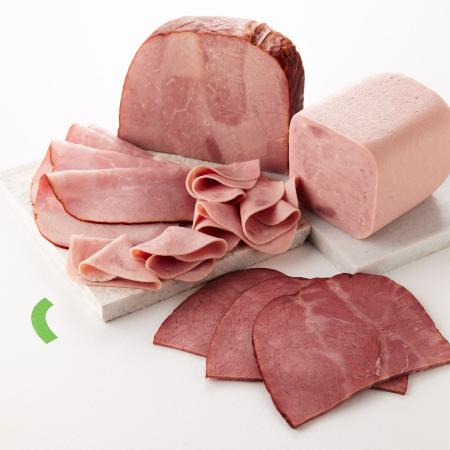
Traditional antimicrobials: a choice of effectiveness
Food manufacturers are faced with the need to adopt preservation solutions that are both effective and respectful of product quality. To meet this need, Galactic has developed the Galimax Diace N-47, an effective combination of sodium lactate; sodium acetate, and sodium diacetate.
Read more
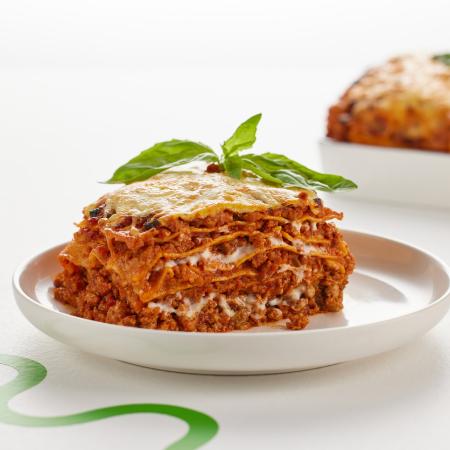
Food Preservation Methods: Ensuring quality and safety in the food ingredients market
In the dynamic and competitive food ingredients market, maintaining the quality and safety of food products is paramount. As a leader in this sector, Galactic provides innovative solutions that help food manufacturers preserve their products effectively.
Read more

Extend the shelf-life and improve the quality of all types of food
We often take for granted the food we consume daily, not realizing the importance of maintaining its quality and extending its shelf-life. Different types of cuisine around the world face unique challenges in preserving the freshness and quality of their dishes.
Read more
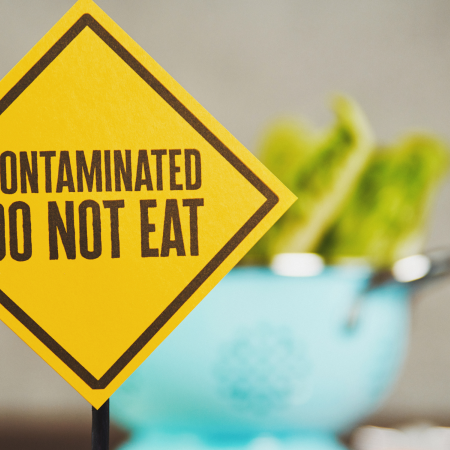
Understanding high risk foods
High risk foods are those that are more likely to harbor harmful bacteria and cause foodborne illness. These include meat, poultry, seafood, egg products, and certain dairy items like cheeses and milk. As a leader in natural antimicrobial solutions, Galactic is committed to helping you navigate these challenges with innovative and sustainable methods.
Read more
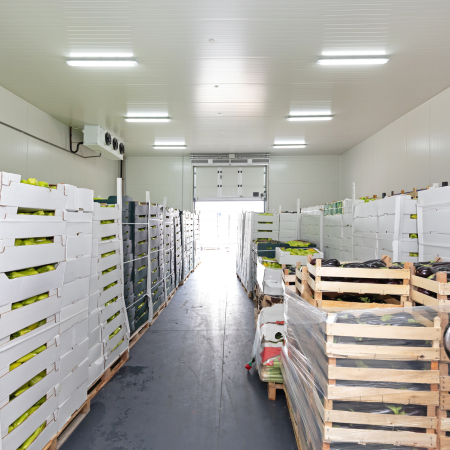
Mastering food storage temperature
Ensuring the safest food storage temperature is crucial for maintaining the quality and safety of perishable items. Storing food at the correct temperature helps prevent the growth of bacteria, reducing the danger of foodborne illnesses. As a food manufacturer, it's essential to understand the optimal storage temperatures for different types of food, from raw meat to fresh vegetables.
Read more
Page 3 of 7